


Barrie (J.M.) and May Byron. Peter Pan in Kensington Gardens
£95
London, Hodder & Stoughton, c.1929.
Small 4to. Original cloth. Dust-jacket, priced 2/6.
Barrie’s famous Peter Pan, in a rerendering by May Byron and featuring Rackham’s splendid illustrations.
In stock
Contemporary ownership inscription to front endpaper; cloth a little dulled, jacket with some wear & tear.
Plates and illustrations by Arthur Rackham.
Related products


Detective Fiction
London, Hodder & Stoughton, 1936.
First Omnibus edition. 8vo. Original oatmeal cloth. Dust-jacket, correctly priced 7/6.
An attractive edition comprising four stories, 'The Man with the Clubfoot', 'The Return of Club Foot', 'The Crouching Beast' and 'The Gold Comfit Box'.


War, Invasion & Spy
London, Hodder & Stoughton, 1933.
First edition. 8vo. Original pale blue cloth. Dust-jacket, price ablated from spine.
A pleasing first edition of this collection of short stories by 'Sapper', featuring the character Ronald Standish as chief protagonist (appearing previously only in 'The Saving Clause' (1927) and 'Tiny Carteret' (1930)). Sapper of course most well-known for creating Bulldog Drummond.
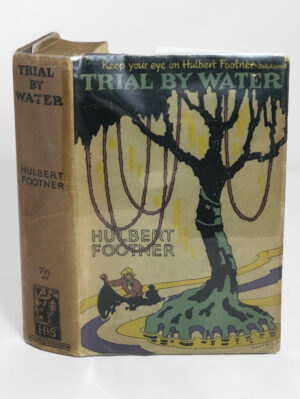

Detective Fiction
London, Hodder & Stoughton, 1930
First edition. 8vo. Original cloth. Dust-jacket correctly priced at 7/6.
Hubin-listed tale involving the escapades of a couple of multi-millionaires' sons who come up against a band of rum-runners.
No copies in commerce at time of listing.