


Waugh (Evelyn) A Handful of Dust
£195
New York, Farrar and Rinehart, 1934.
First US edition. 8vo. Original orange cloth. Dust-jacket, priced $2.50.
First US edition of Waugh’s satirical classic.
Out of stock
Ownership signature on the front free endpaper and slightly frayed at the head of the spine, else a very good copy in two jackets, the first quite poor but with the front flap present, the second very good or better but with the front flap missing.
Related products

Modern Literature
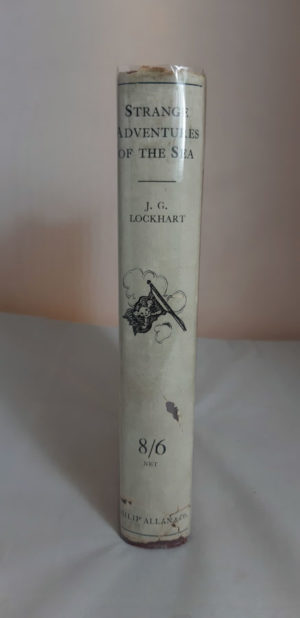
First edition.
London. Philip Allan, 1925
Anthology covering amongst other things murders, mutinies, maroonings and other tales of horror on the high seas. Scarce in jacket.
Modern Literature
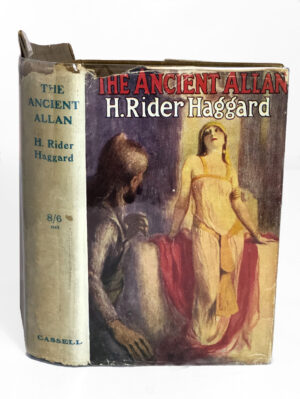
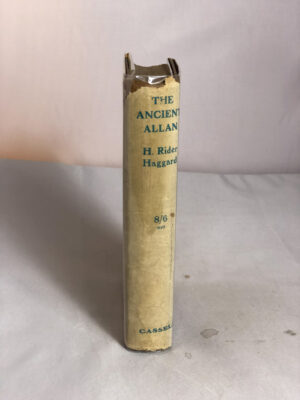
London, Cassell, 1920
First edition. 8vo. Original light brown cloth. Dust-jacket, correctly priced at 8/6 net on spine.
An Allan Quatermain novel, direct sequel to The Ivory Child. An interesting way of resurrecting the character of Allan away from the period and Africa of his day.
Rare in jacket.

Modern Literature
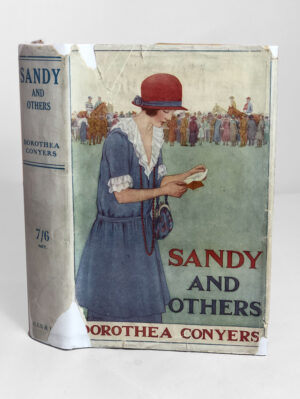
London, Mills & Boon, 1925
First edition. 8vo. Original red cloth. Dust-jacket correctly priced at 7/6 on spine.
Short stories some of them set in Ireland. Thirteen tales six featuring her recurring character Sandy Acland.
Dorothea Conyers was a prolific Irish novelist. Her books are romantic novels set among the Irish sporting gentry. Her output numbered some 40 titles.
A very difficult title to obtain in a wrapper

![Alternative view of Hull (E[dith]. M[aud].) The Sons of the Sheik](https://lycanthiabooks.com/wp-content/uploads/2021/05/82645_2-300x399.jpg)
Modern Literature
London, Eveleigh Nash & Grayson, [1926].
Film tie-in edition. 8vo. 3pp. advertisements. Original red cloth. Dust-jacket.
A handsome early edition of the sequel to The Sheik (1919); the first edition was published in 1925, with this edition issued to coincide with the popular film version starring Rudolph Valentino. Hull is credited with setting off a major and hugely popular revival of the "desert romance" genre of romantic fiction.


Modern Literature
First edition.
London. Neville Spearman, 1957
A well regarded collection of short stories mainly set in the American South and most of them among poor people. The short story that gives the book refers to statues popular in the Jim Crow-era Southern United States, depicting grotesque minstrel-like characters.